Neurodiversity-Friendly Counselling in a Woodland Setting
Nature-Based | In-Person | Online
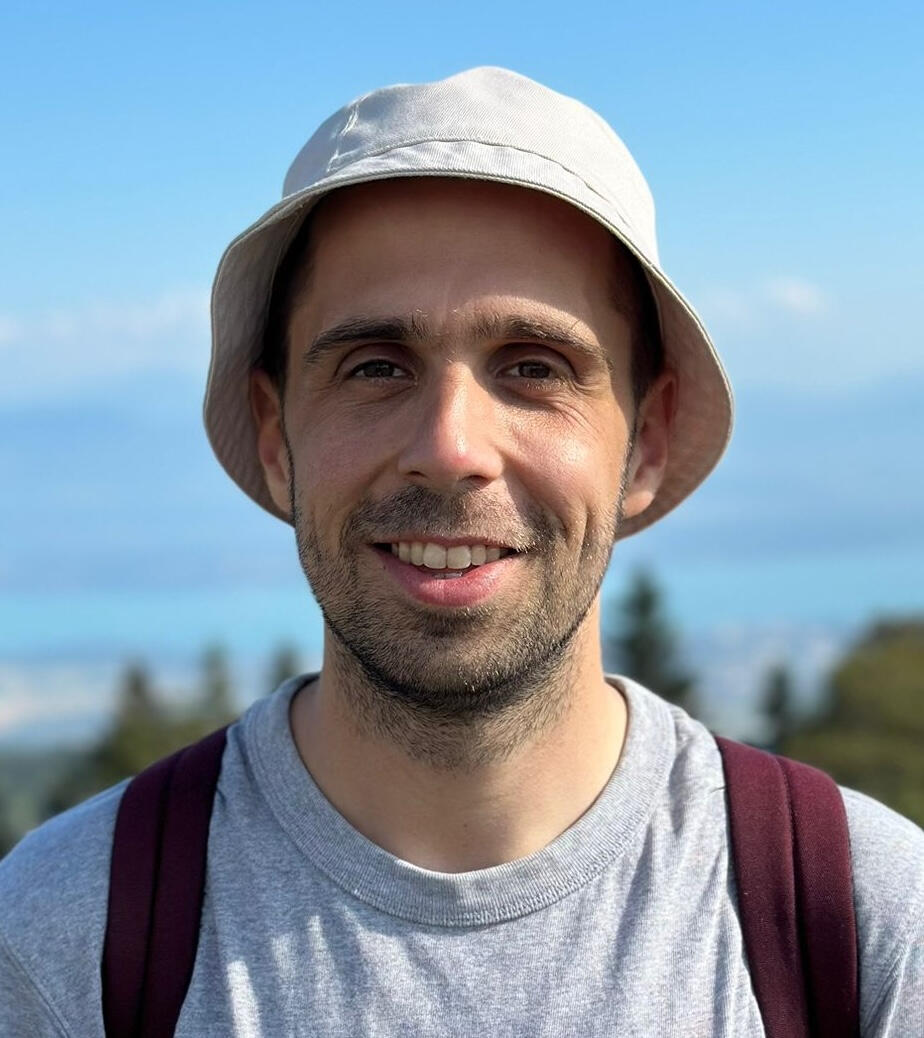
Welcome!I'm Adam. I provide a therapeutic environment where your individual experience is the central focus. Many people I work with come to therapy because they are struggling with anxiety, depression and struggling with issues related to neurodiversity - some may simply feel overwhelmed, stuck, or generally dissatisfied with where they are in life and want to gain some clarity.My approach is built on the belief that meaningful change happens when you have a reliable, non-judgmental space to explore your thoughts, your feelings and who you are. We work at your pace to process your current reality and find a clearer way forward.
How We Can Work Together...
Nature-Based Counselling
£50 per 60-minute session
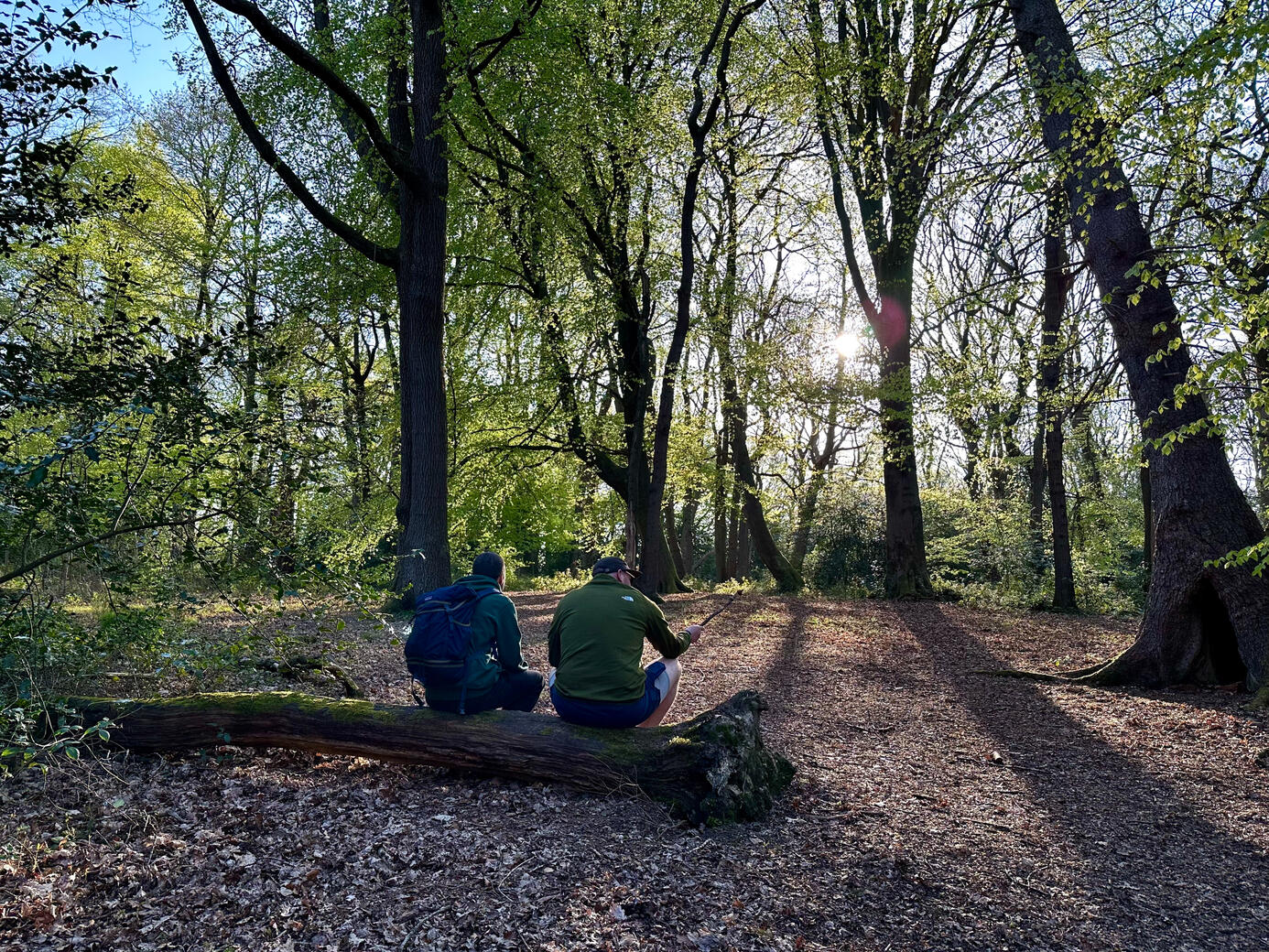
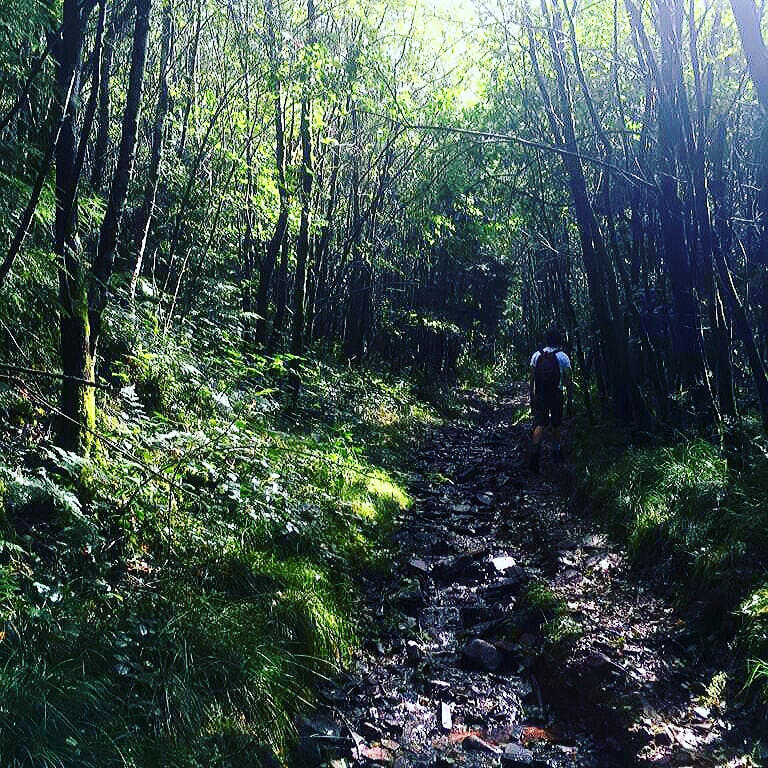
Sessions take place in a private area of Clowes Wood (Earlswood) or at Highbury Park (Kings Heath). This is for those who feel more at home outdoors, as well as those who find traditional clinical rooms restrictive. We use the expansive environment and the rhythm of the seasons to ground the work, offering a sensory and open space to process how you feel.
Remote Walk-and-Talk Counselling
£50 per 60-minute session
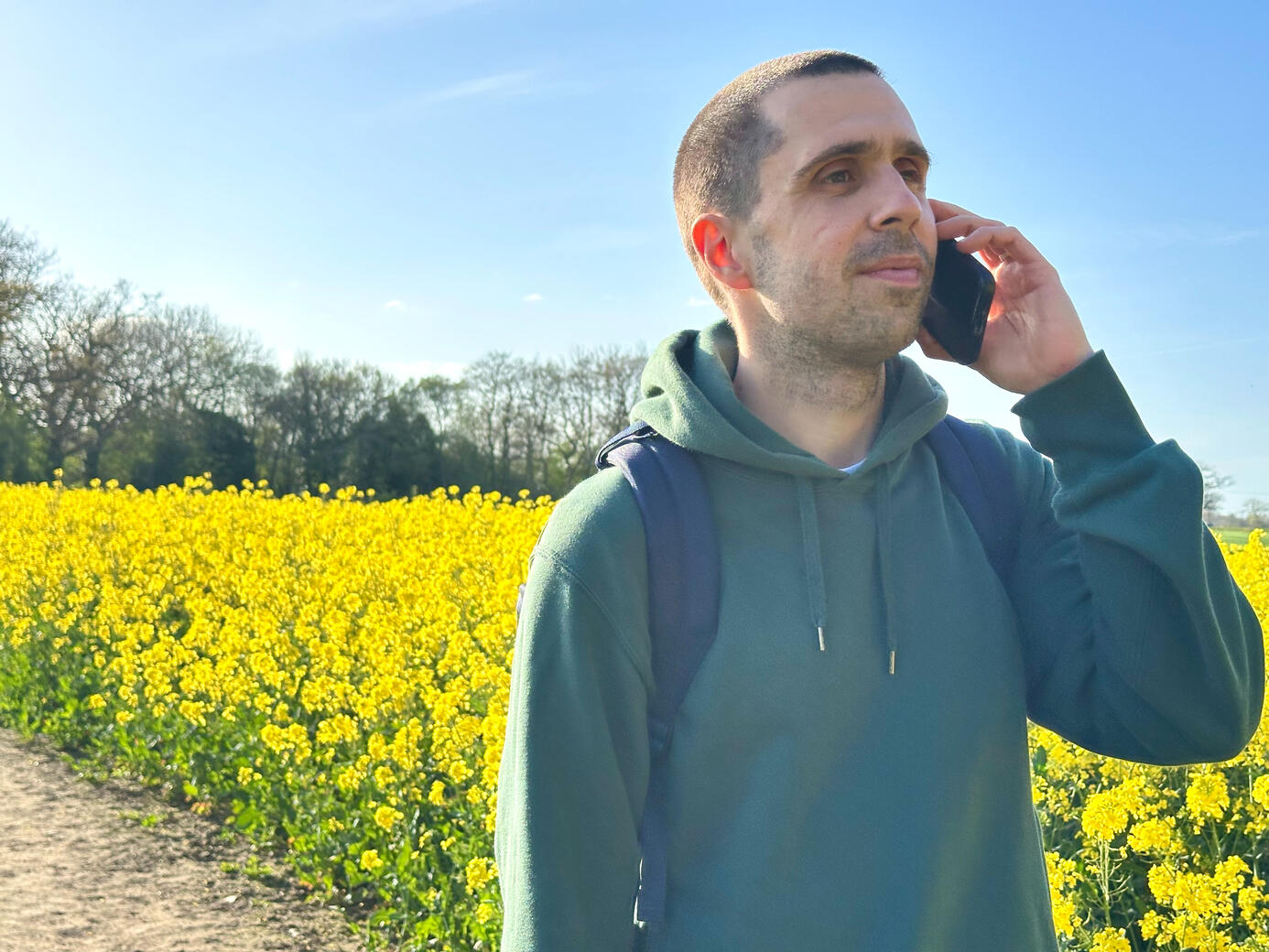
A nationwide service where we both walk in our respective local nature spots while connecting via phone. This combines the benefits of movement and nature with the flexibility of a remote session.For more on what remote nature-based counselling I have written a blog which provides further information here.
Online Counselling
£50 per 60-minute session
Secure video sessions available nationwide. This approach offers consistency and support from the comfort of your own environment, making therapy accessible without the need for travel.

In-Room Counselling
£60 per 50-minute session
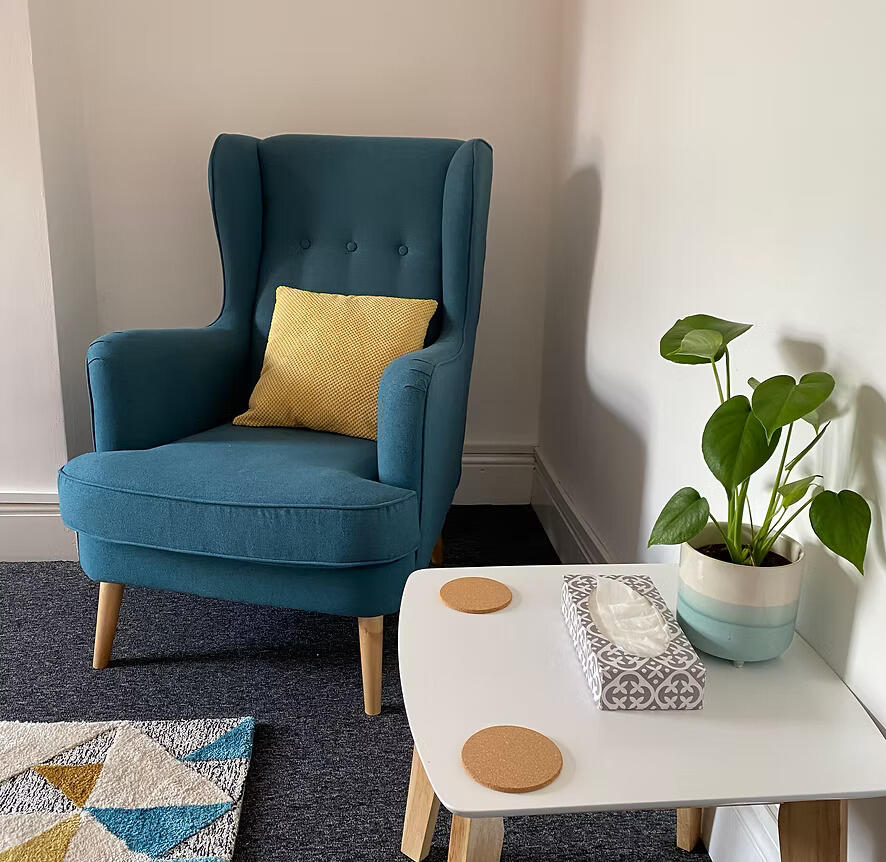
Traditional, confidential sessions held in a quiet, professional room in the Kings Heath. This provides a stable, reliable space to work through challenges at your own pace without external distractions.
Choosing a therapist is an important part of the process of finding the help you need, and it is essential that you find someone who feels like the right fit for you. If my way of working sounds like it might be helpful, I am happy to have a brief, informal conversation to see how we might work together in the woods.Whether you decide to move forward now or later, I wish you well in finding the support that feels right for you.Adam
To arrange a free 30-minute introductory call, please get in touch via email at [email protected] - or click the link below:

Nature-Based Therapy
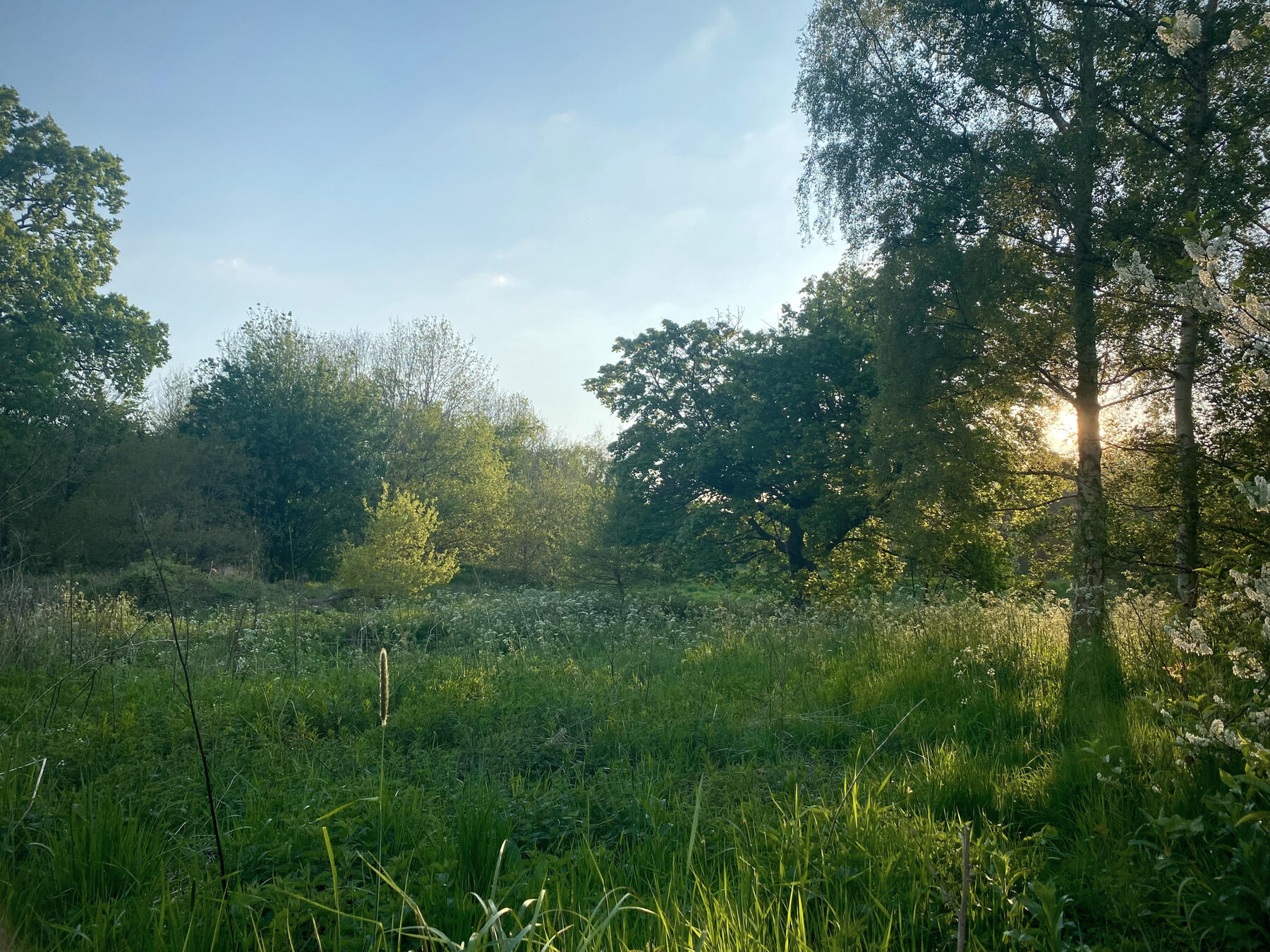
Nature-based counselling (also known as ecotherapy, walk-and-talk therapy or simply nature therapy) moves our sessions from a confined room into the natural world. It is a grounded way of working that uses the green environment to support your mental and emotional health.As in all areas of therapy and counselling, it is vital to have well-documented research to back up the effectiveness of any approach - for those interested any word or phrase that appears underlined on this page can be clicked to navigate you directly to the peer-reviewed evidence supporting that specific area of my work.
Who Is It For?
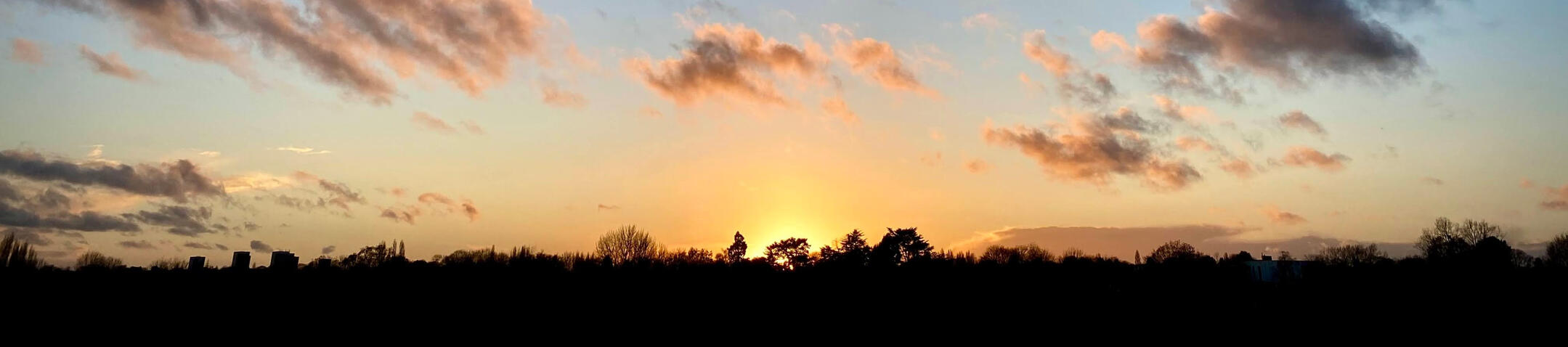
The woodland provides a unique and restorative backdrop for people navigating a variety of challenges:
Anxiety: For those experiencing anxiety, the natural environment acts as a physiological 'off-switch', significantly lowering cortisol levels and heart rate to soothe the nervous system.
Depression: Nature provides a powerful buffer against 'rumination.' Research shows that walking in green spaces reduces the specific neural activity linked to looping negative thoughts.
ADHD: The outdoors serves as a 'low-arousal' sensory space. The gentle sensory rhythm of the woods can reduce ADHD symptoms and provide a more comfortable environment for processing information.
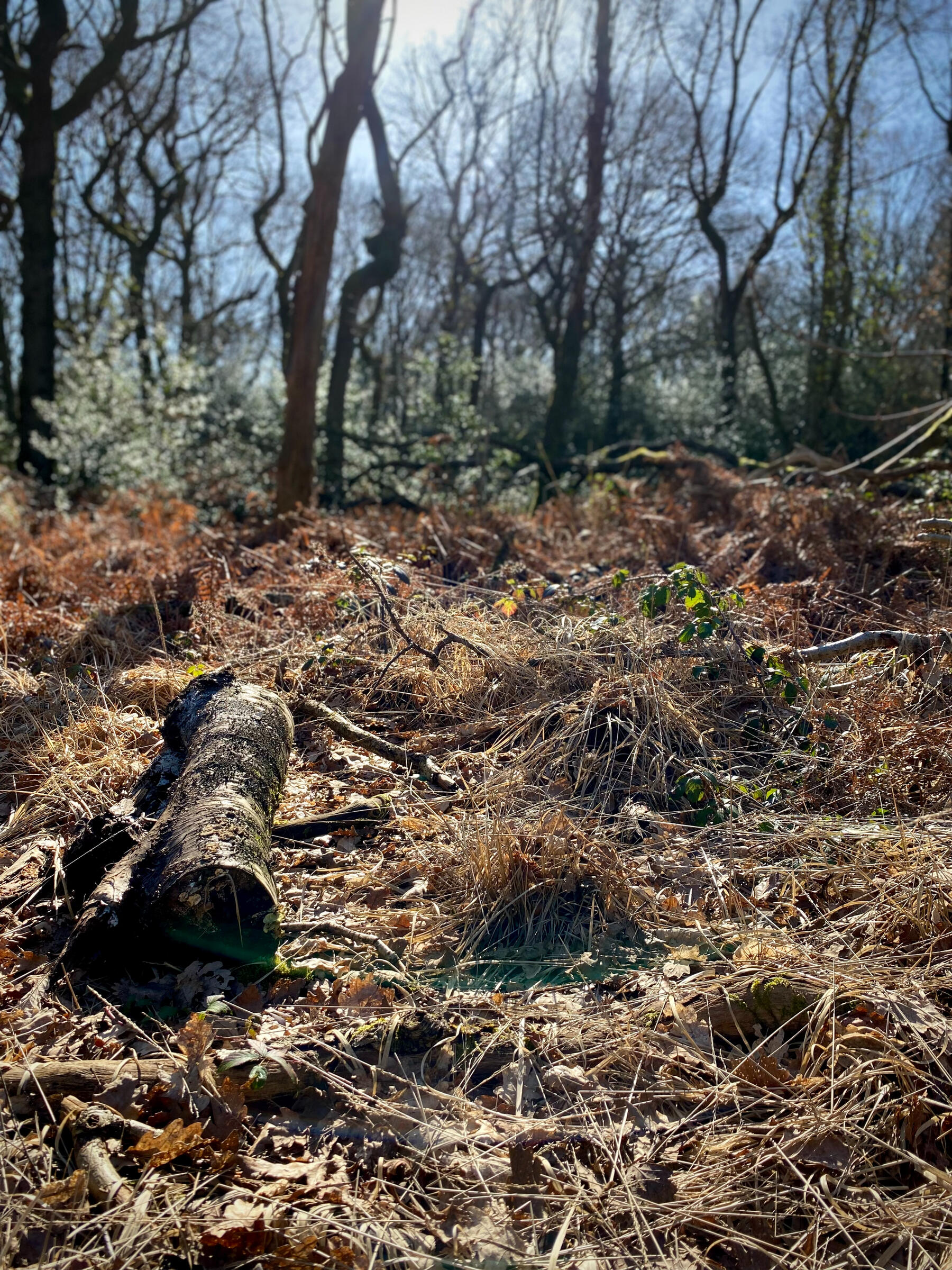
Autism: The natural world offers a 'sensory-neutral' environment that can help reduce overstimulation. Research indicates that nature-based settings provide a restorative space that improves emotional regulation and social engagement for autistic individuals.
Men’s Mental Health: Walking and talking side-by-side facilitates a 'shoulder-to-shoulder' way of working that many men find less confrontational and more natural than a traditional office setting.
Addiction & Recovery: The grounded, stable environment of the woods helps build the emotional regulation and self-esteem necessary for long-term resilience and recovery.
Why Do Counselling In Nature?
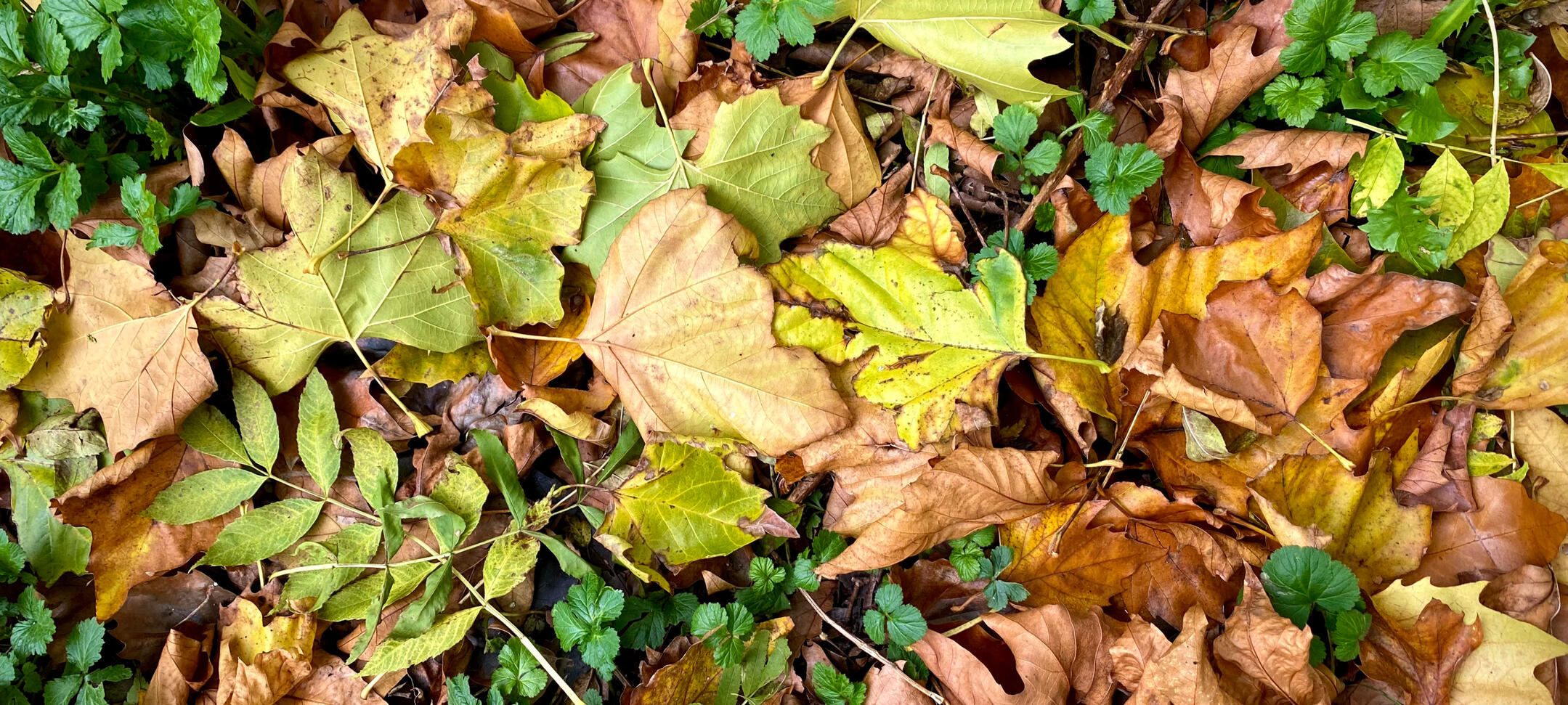
Research consistently shows that nature has a measurable impact on our physical and emotional well-being:
Physiological Calm: Just 20 minutes in a natural setting significantly lowers cortisol (the stress hormone) and blood pressure.
Restorative Focus: Nature provides a gentle way of engaging our senses, allowing our mental focus to recover from the fatigue of screens and daily tasks.
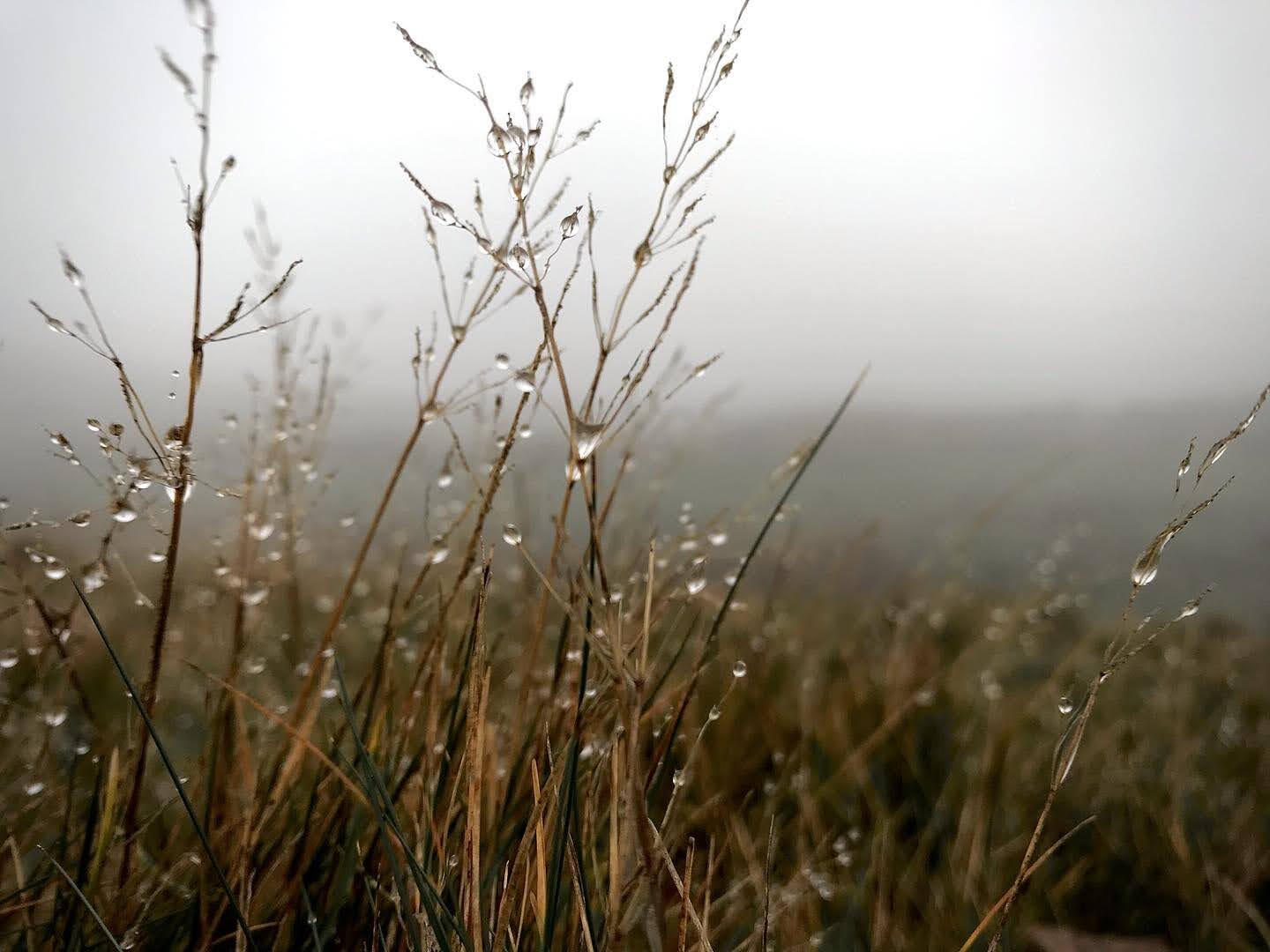
Perspective: Studies suggest that time spent in nature can help us to make sense of how our lives fit within the wider context of the world.
Meaning & Vitality: Connection with the natural world is strongly linked to a sense that life has purpose and meaning beyond immediate pleasure.
Self-Satisfaction: Spending time in nature facilitates a 'quieting of the ego,' which leads to higher levels of life satisfaction and a more compassionate view of oneself.
What Happens in a Session?
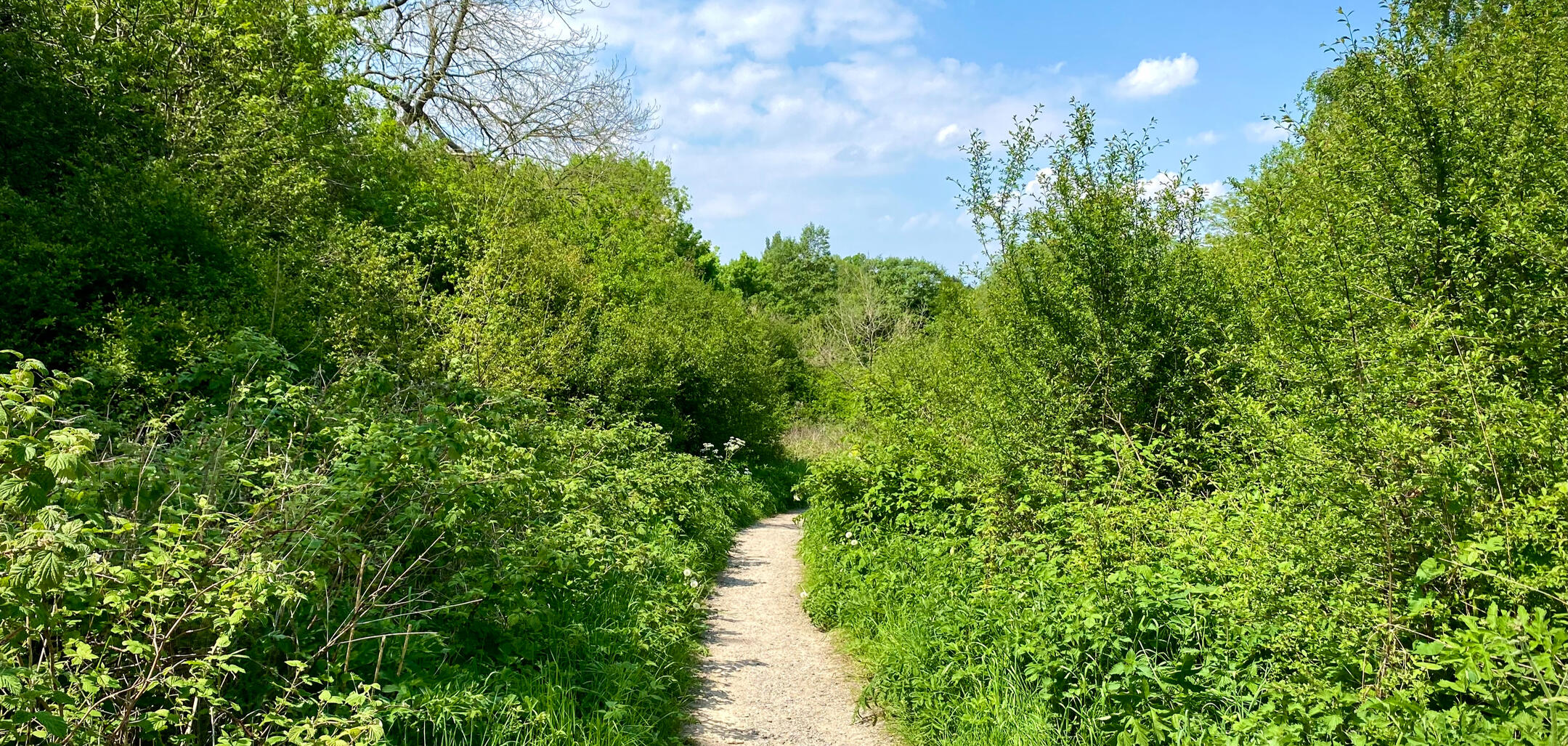
As a person-centred counsellor, I believe the relationship we build is the most important tool for change. Bringing this work into the woods doesn’t make the process 'easy' -therapy still requires emotional energy and focus - but the environment changes how we experience those demands.
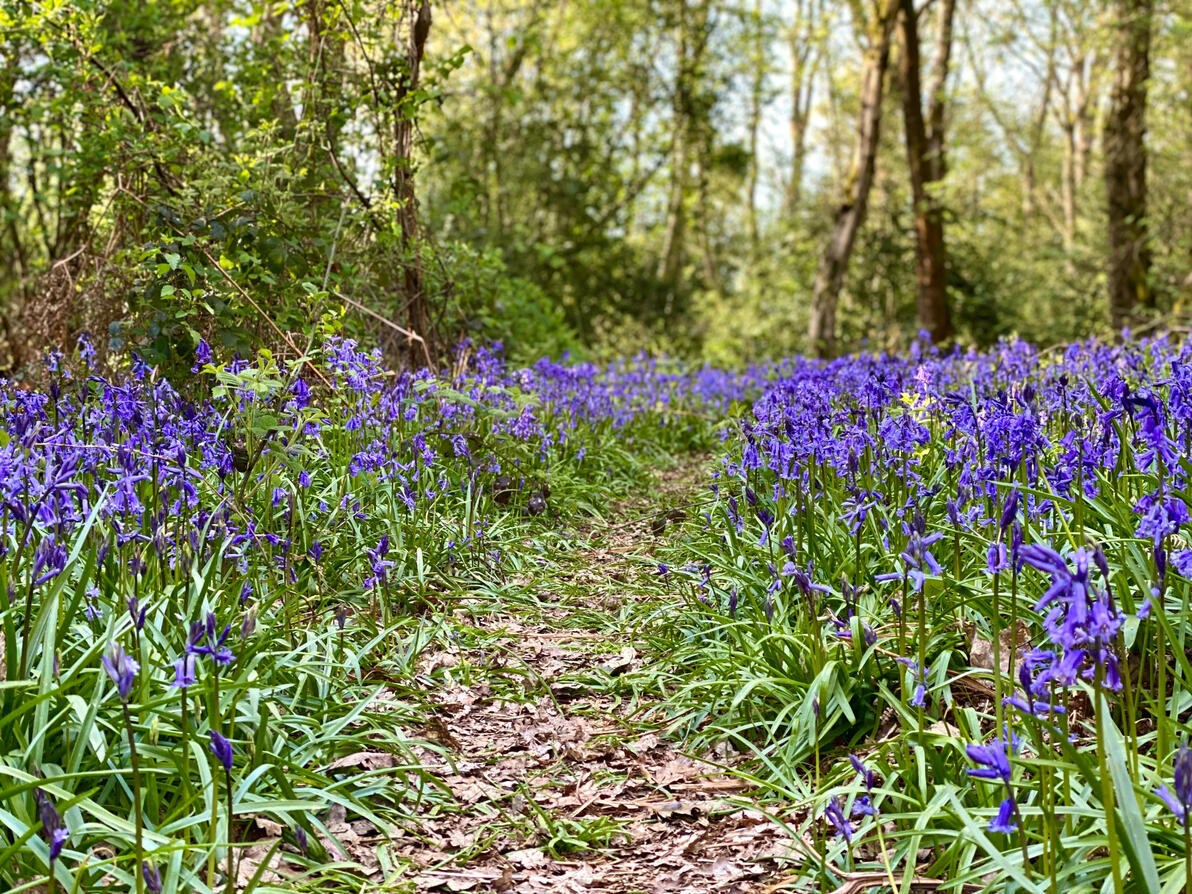
We work together to process the feelings of being stuck, overwhelmed, or dissatisfied that brought you to therapy. A typical session would involve:
Meeting at an agreed spot close to the entrance to the woods.
Walking together toward our outdoor 'consulting room' - a private, secluded area of the woodland.
Checking in with how you would like to use the session
Talking through what is on your mind at a pace that suits you, exploring your thoughts and feelings without judgment or pressure.
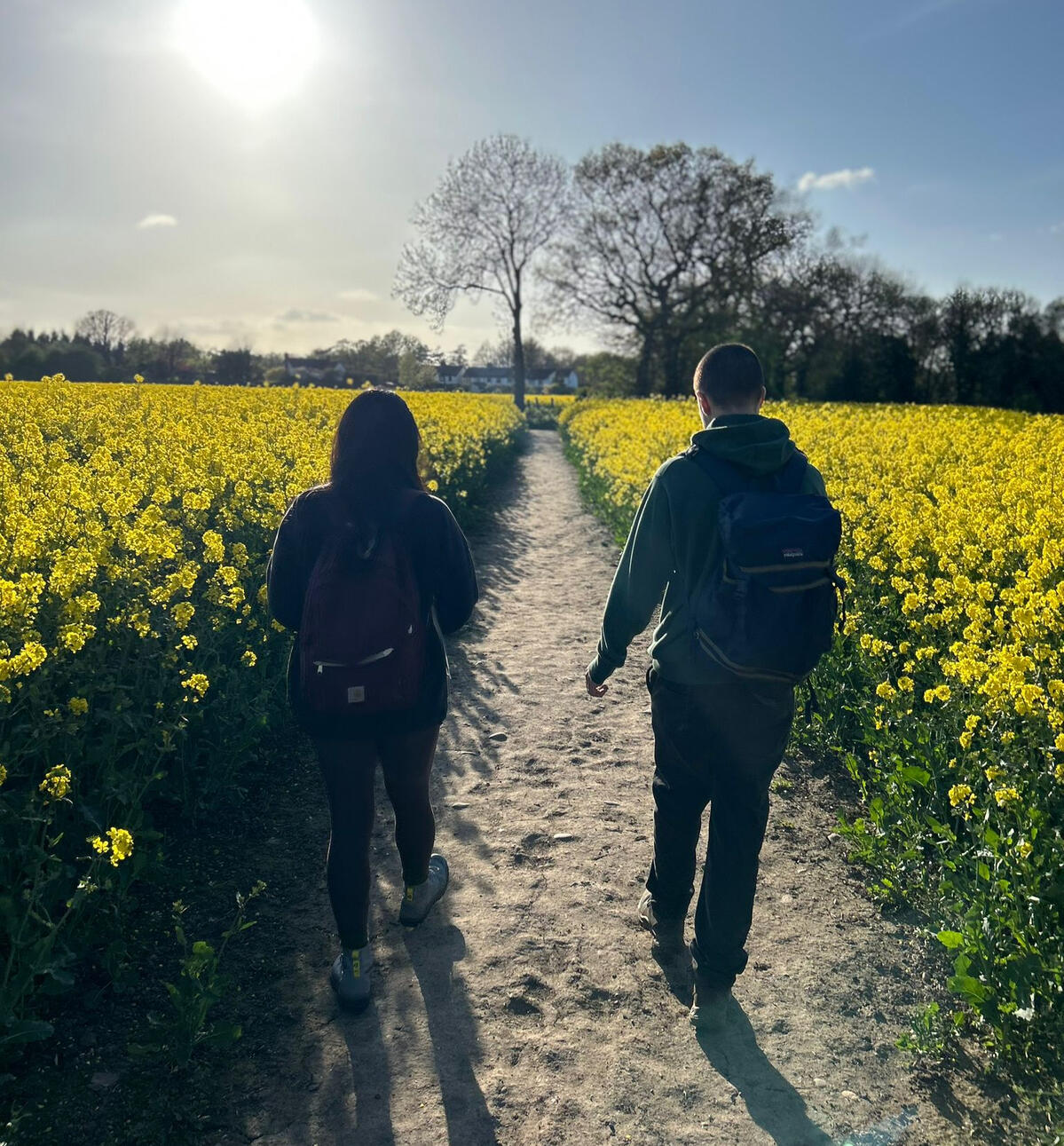
Talking through what is on your mind at a pace that suits you, exploring your thoughts and feelings without judgment or pressure.
My role is to listen deeply and understand your experience as you see it, rather than directing where the conversation should go—unless this is something we feel may be helpful for you.
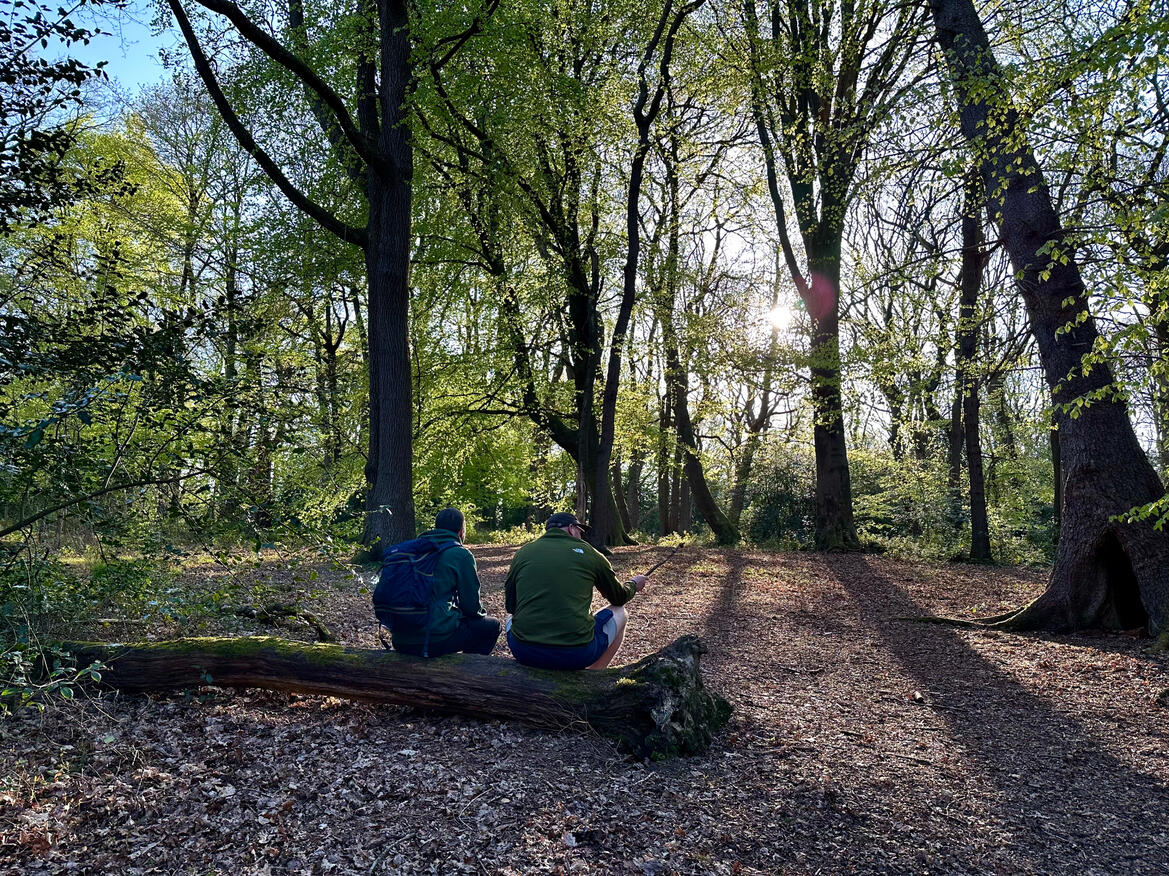
Integrating quiet reflection when it feels useful. We may use body-awareness, breathwork, or 'sit spots' (moments of still nature connection) to help deepen the quality of your awareness.
Concluding our work by walking back to the meeting point. We will use these final minutes to pack away the session.

If you're interested learning more about nature therapy or working together, click the button below to get in touch or email me at [email protected]

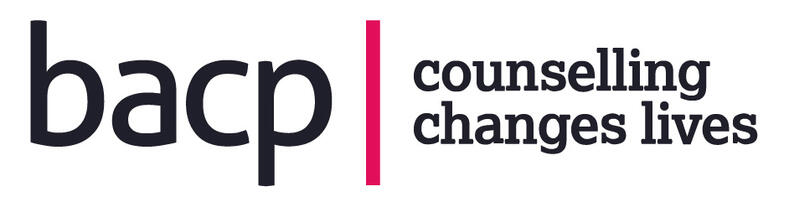
I am a BACP-registered counsellor (MBACP) with a Level 4 Diploma in Person-Centred Therapeutic Counselling.I work with adults (18+) and have a specific interest in neurodivergent experiences and shame. My background in conservation and environmental studies informs my choice to work outdoors, while experience in addiction services allows me to sit with complex and difficult life situations.Because I have lived experience of ADHD, I provide a space where you do not need to explain the mechanics of your neurodivergence. We focus instead on your current experience and how you feel.
My professional background includes:
Addiction & Recovery: Several years working in addiction services and gambling rehabilitation.
Neurodiversity: Lived experience of ADHD, professional experience in working with autism and currently undertaking further specialist ADHD training.
General Counselling: Experience working in community counselling settings with adults navigating a wide range of life difficulties.
Environment & Nature: A Level 3 Certificate in Countryside Management and Environmental Studies, following a period of working in the nature conservation sector.
To arrange a free 30-minute introductory call, please get in touch via email at [email protected] - or click the link below:

Contact Me
I know that reaching out can feel like a daunting task.
The easiest way to start is by booking a free 30-minute consultation call. This gives us a chance to see if we "click" without any pressure or financial commitment.Use the box below to drop me a message, and I will get back to you within 24 hours:
Privacy NoticeWhen you submit this form, your name and email are sent to my inbox. I will only use this information to reply to your enquiry. I do not share your data, and you can ask for it to be deleted at any time.Full Privacy Policy available upon request.

Thank You For Visiting, Your Message Has Successfully Sent
Whether we work together or not, I wish you steadiness, clarity, and connection on your path.